The short version
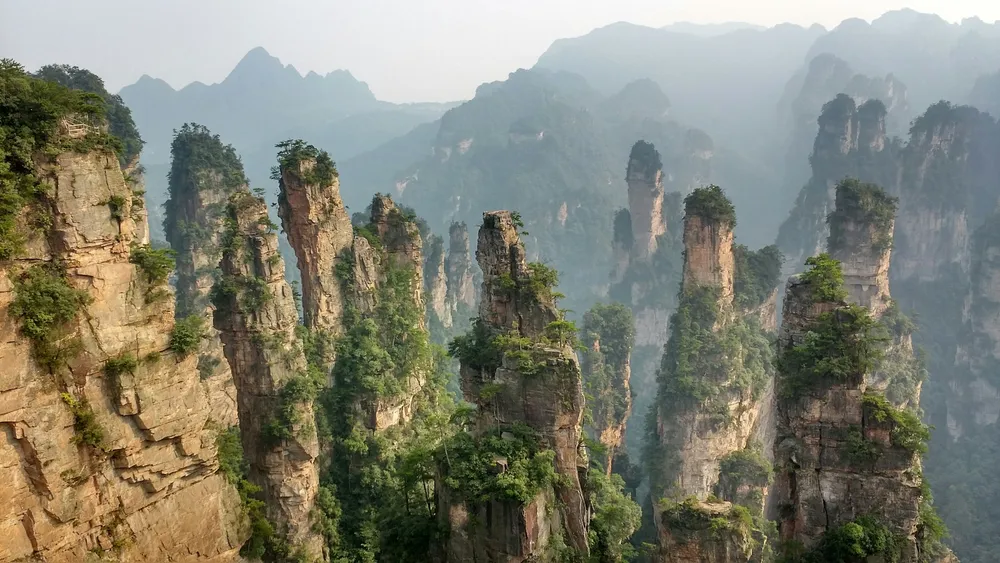
Yunnan is the province in China’s far south-west, next to Myanmar, Laos and Vietnam. It has snow mountains, deep gorges, old towns, tropical forest and more ethnic groups than any other province.
- The classic route: Kunming → Dali → Lijiang → Shangri-La.
- Time: 8 to 10 days for all four. 5 to 6 days for Dali and Lijiang.
- Transport: trains link all four cities, about 2 hours per leg or less.
- Altitude: it rises with every stop. Go in this order, not the reverse.
- Best months: March to May and September to November.
Yunnan is not a quick add-on. It is far from Beijing and Shanghai, and it rewards slow travel. If your whole trip is under two weeks, read how many days you need in each Chinese city before you add it.
Is Yunnan right for your trip?
| You will like Yunnan if you want | Think twice if |
|---|---|
| Mountains, lakes and fresh air | Your trip is under two weeks and it is your first time in China |
| Old towns and village life | You dislike crowds in famous old towns |
| Tibetan, Bai, Naxi and Dai culture | You have heart or lung problems and want to go above 3,000 m |
| A slower pace after big cities | You only have 3 or 4 days to spare |
| Hiking, cycling and photography | You are on 240-hour transit and want Shangri-La |
Travelers who have been often describe Yunnan as a second-trip destination. People with three weeks or more usually say the days there were their favorite part.
The four main stops
| Stop | Altitude | Known for | Suggested nights |
|---|---|---|---|
| Kunming | About 1,900 m | Mild weather all year, the Stone Forest, flower markets | 1 to 2 |
| Dali | About 2,000 m | Erhai Lake, the old town, Bai villages, cycling | 2 to 3 |
| Lijiang | About 2,400 m | UNESCO-listed old town, Jade Dragon Snow Mountain | 2 to 3 |
| Shangri-La | About 3,300 m | Tibetan monastery and old town, high grasslands | 2 |
Kunming
Kunming is the capital and the transport hub. It is called the “Spring City” because its weather is mild all year. Most visitors stay one or two nights.
- The Stone Forest (Shilin): tall limestone pillars about 90 km from the city. A half-day or full-day trip.
- Green Lake Park and the old streets nearby for an easy first afternoon.
- Dounan Flower Market, one of the largest in Asia, busiest in the evening.
Some travelers skip Kunming. Others call it their favorite city in Yunnan, because it feels lived-in and not built for tourists.
Dali
Dali sits between the Cangshan mountains and Erhai Lake. It is the most relaxed stop on the route.
- Dali Old Town for walking, cafés and the city gates.
- The lakeshore: a paved path runs along the western shore. Rent a bicycle or an e-bike and ride between villages.
- Xizhou and Shuanglang, villages with Bai courtyard houses and lake views.
- The Three Pagodas and the cable car up Cangshan.
Many people who plan two nights wish they had booked four. Staying in a lakeside village is quieter than the old town.
Lijiang
Lijiang’s Old Town is a UNESCO World Heritage Site, with canals, stone bridges and wooden houses of the Naxi people. It is also very commercial. The main lanes are full of shops and bars, and local residents themselves say so.
- Walk early in the morning, before the tour groups arrive.
- Shuhe and Baisha, two smaller old towns nearby, are calmer.
- Black Dragon Pool for the classic view of the snow mountain.
- Jade Dragon Snow Mountain, a day trip. See the altitude section below.
Shangri-La
Shangri-La is a Tibetan town at about 3,300 m. The train from Lijiang, opened in late 2023, takes a little over an hour.
- Songzanlin Monastery, the largest Tibetan Buddhist monastery in Yunnan.
- Dukezong Old Town and its giant prayer wheel.
- Pudacuo National Park for lakes and high meadows.
Opinions differ. Some visitors find Shangri-La the highlight of the province. Others find it spread out and quiet. It is worth it if Tibetan culture interests you and you handle altitude well.
How many days, and in what order?
| Days | Route |
|---|---|
| 5 to 6 | Fly into Dali or Lijiang. Dali 2 to 3 nights, Lijiang 2 to 3 nights. |
| 8 to 10 | Kunming 1 to 2, Dali 2 to 3, Lijiang 2 to 3, Shangri-La 2. Fly out of Shangri-La or Lijiang. |
| 12 to 14 | The route above, plus Tiger Leaping Gorge (2 days) or Xishuangbanna (3 days). |
| 3 weeks or more | Add the Yuanyang rice terraces, Shaxi, Tengchong or the Meili Snow Mountain area. |
Go south to north. Each stop is higher than the last, so your body adjusts step by step. Flying straight into Shangri-La from sea level is the hardest way to start.
Do not backtrack. Fly into Kunming and out of Lijiang or Shangri-La. Both Lijiang and Shangri-La have airports with flights to major Chinese cities.
Getting around Yunnan
| Leg | By train | Notes |
|---|---|---|
| Kunming → Dali | About 2 hours | Frequent high-speed trains |
| Dali → Lijiang | About 1.5 to 2 hours | |
| Lijiang → Shangri-La | About 1 to 1.5 hours | Line opened in November 2023 |
| Kunming → Lijiang | About 3.5 hours or more | Direct trains |
| Kunming → Xishuangbanna (Jinghong) | About 3 to 3.5 hours | On the China-Laos Railway |
Train times vary by service. Check the current timetable when you book, and book early for holidays. See how to book China train tickets.
Inside each town, use DiDi or walk. For Erhai Lake villages, Tiger Leaping Gorge and mountain areas, a car with a driver saves a lot of time. Foreign visitors cannot drive on a foreign licence or an International Driving Permit.
Altitude: what to expect
This is the most common worry about Yunnan, and the facts are reassuring for most people.
| Place | Altitude | What most visitors feel |
|---|---|---|
| Xishuangbanna | About 550 m | Nothing. Tropical lowland. |
| Kunming | About 1,900 m | Usually nothing |
| Dali | About 2,000 m | Usually nothing |
| Lijiang | About 2,400 m | Out of breath on stairs |
| Shangri-La | About 3,300 m | Mild headache, poor sleep, tired on the first day |
| Jade Dragon Snow Mountain, Glacier Park | 4,506 m by cable car | Breathless. Many people feel unwell. |
The US CDC says that travelers who sleep at about 2,450 m or higher without adjusting are at risk of altitude illness. It advises against going from low altitude to above 2,750 m in one day, and says that 2 to 3 nights at 2,450 to 2,750 m before going higher gives strong protection. The classic route does this naturally: nights in Dali and Lijiang prepare you for Shangri-La.
Practical rules:
- Rest on arrival day at each new altitude. Walk slowly, skip alcohol.
- Drink plenty of water.
- Do Jade Dragon Snow Mountain as a day trip from Lijiang, and not on your first day there. You go up for a few hours and sleep low again.
- Know the signs: headache, nausea, dizziness, unusual tiredness. They usually appear 2 to 12 hours after arrival.
- Do not go higher with symptoms. If they get worse despite rest, go down. From Shangri-La, Lijiang is just over an hour away by train.
- Ask your doctor before you travel about altitude medicine such as acetazolamide, especially if you have had altitude sickness before or have heart or lung disease. It is hard to find in Chinese pharmacies.
Small oxygen cans are sold everywhere in Lijiang and Shangri-La. They bring short relief but do not replace rest or descent.
Jade Dragon Snow Mountain tickets
Daily visitor numbers for the Glacier Park cable car are limited. Tickets are released the evening before and sell out fast in high season. Expect three separate costs: park entry, the cable car and the shuttle bus, roughly RMB 250 to 300 in total. Bring a warm jacket, even in summer. If you miss the Glacier Park tickets, the lower cable cars to Spruce Meadow and Yak Meadow are easier to book and much easier on the body.
Beyond the classic route
- Tiger Leaping Gorge. One of China’s best hikes, between Lijiang and Shangri-La. The high trail is about 20 km and takes two days, with guesthouses on the way. There is a small entrance fee. Do not hike it in heavy rain, because of landslides.
- Xishuangbanna. Tropical, low altitude, with Dai culture, night markets and rainforest. It feels closer to Thailand than to Beijing. Good in winter. The Water Splashing Festival is in mid-April.
- Yuanyang rice terraces. Best from November to April, when the terraces are filled with water and reflect the sky. Far from the main route, so allow 2 to 3 days.
- Luoping for fields of yellow rapeseed flowers in February and March.
- Shaxi, a quiet old market town between Dali and Lijiang, for travelers who find Lijiang too busy.
When to go
| Season | Weather | Good for | Watch out for |
|---|---|---|---|
| March to May | Mild, mostly dry, flowers | The whole route | Busy at Labor Day, 1 to 5 May |
| June to August | Rainy season. Warm, green, cloudy | Wild mushrooms, fewer foreign tourists | Cloud on the mountains, muddy trails, summer holiday crowds |
| September to November | Clear skies after the rain | Mountain views, hiking | National Day week, 1 to 7 October |
| December to February | Dry and sunny. Cold at night | Kunming, Dali, Xishuangbanna, Yuanyang | Freezing in Shangri-La. Chinese New Year crowds. |
See the best time to visit China and Golden Week and public holidays.
Visas and the 240-hour transit limit
If you enter China under the 30-day visa-free policy or with a visa, you can travel anywhere on this route.
If you enter under 240-hour visa-free transit, check the map. Kunming Changshui and Lijiang Sanyi airports are entry ports, and the permitted area covers nine parts of Yunnan, including Kunming, Dali, Lijiang and Xishuangbanna. Shangri-La is not included. Transit travelers must stop at Lijiang. See the 240-hour visa-free transit guide.
What to eat
- Crossing-the-bridge noodles (过桥米线), Yunnan’s most famous dish: rice noodles you cook yourself in a bowl of very hot broth.
- Wild mushrooms, in season from June to September. Eat them only in restaurants, fully cooked. Some local mushrooms are poisonous when undercooked.
- Yunnan ham, grilled cheese (rushan and rubing) and flower pastries.
- Dai food in Xishuangbanna: sour, spicy, with herbs and grilled fish.
- Tibetan food in Shangri-La: yak hotpot, butter tea.
- Pu’er tea and Yunnan coffee. Both make good gifts. See what to buy in China.
Practical tips
- English is limited, as in the rest of China. Translation apps work fine, and travelers report that people are patient. See traveling in China without speaking Chinese.
- The sun is strong at altitude. Bring sunscreen, a hat and sunglasses.
- Pack layers. Days are warm and nights are cold, even in summer.
- Carry tissues. Public toilets outside the cities are basic.
- Book old-town guesthouses with care. Cars cannot enter the old towns, so you may walk several minutes over cobblestones with your bags. Check that the guesthouse accepts foreign guests.
- Buy travel insurance that covers hiking and altitude if you plan Tiger Leaping Gorge or Jade Dragon Snow Mountain. See travel insurance for China.
Plan your Yunnan route
Yunnan is where a driver and a good plan matter most, because the best places are between the cities. We can build a route with the right number of nights at each altitude, train tickets and a driver for the lake villages and the gorge. Start with a free China trip plan, or see our private China tours.
- US CDC Yellow Book: High-Altitude Travel and Altitude Illness
- National Immigration Administration: 240-hour visa-free transit policy (ports and permitted areas in Yunnan)
- UNESCO World Heritage Centre: Old Town of Lijiang
- China Railway 12306: English website (train schedules)
Editorial update: . Check the linked source for current provider terms or official rules.