The short version
Go in spring (April to May) or autumn (September to October). Most of China is mild, dry and green or golden then. These are the easiest months for a first trip that covers several regions, such as Beijing, Xi’an, Chengdu, Guilin and Shanghai.
Avoid the three national holidays if you can:
| Holiday | 2026 dates | What happens |
|---|---|---|
| Chinese New Year (Spring Festival) | 15–23 February 2026 | Biggest travel rush of the year; many small businesses close |
| May Day holiday | 1–5 May 2026 | Sights, trains and hotels packed |
| National Day (Golden Week) | 1–7 October 2026 | The busiest week for sightseeing |
Chinese New Year 2027 falls on Saturday 6 February. China usually publishes the official 2027 holiday dates around November 2026.
Cheapest and quietest: November to early December, and late February to March once the New Year rush is over. See China in winter.
Hardest months: July and August (hot, humid, rainy, and school holidays) and the New Year rush.
Holiday dates come from the State Council’s official 2026 holiday notice. Weather descriptions are typical patterns, not forecasts. Always check the forecast a week before you go.
Best time to visit China by month
| Month | Weather overview | Crowds | Verdict |
|---|---|---|---|
| January | Cold and dry in the north, chilly and damp in the east, mild in the south | Low, then rising for New Year | Good for budgets and ice festivals |
| February | Still cold; New Year falls in late January or February | Very high around New Year | Avoid New Year week |
| March | Warming up; spring blossoms in the south and east | Low to medium | Good |
| April | Mild and pleasant in most places | Medium; short holiday in early April | Best |
| May | Warm; rainy season starts in the south | Very high 1–5 May | Best, except May Day |
| June | Hot; plum rain in Shanghai and the Yangtze region | Medium | Fair |
| July | Hot and humid; heavy rain; typhoons possible on the coast | High (school holidays) | Fair: go north or high |
| August | Hot and humid; typhoons possible | High (school holidays) | Fair: go north or high |
| September | Heat eases; typhoons still possible in the south | Medium | Very good |
| October | Clear, dry and mild; autumn colors in the north | Very high 1–7 October | Best after 7 October |
| November | Cool in the north, mild in the south | Low | Very good value |
| December | Cold in the north; mild in the far south and Hainan | Low (except 1 January) | Good value |
Weather by region
China is roughly the size of the United States, so the weather on the same day can be very different. These are approximate average daytime highs, from typical climate patterns:
| City | January | April | July | October | Notes |
|---|---|---|---|---|---|
| Beijing | ~2°C | ~21°C | ~31°C | ~19°C | Dry, windy spring; hot rainy July; crisp clear autumn |
| Xi’an | ~5°C | ~21°C | ~32°C | ~19°C | Similar to Beijing, slightly milder winter |
| Shanghai | ~8°C | ~19°C | ~32°C | ~23°C | Plum rain mid-June to early July; humid summers |
| Chengdu | ~10°C | ~22°C | ~30°C | ~21°C | Often cloudy; mild winters, muggy summers |
| Guilin | ~12°C | ~23°C | ~33°C | ~26°C | Rainiest from April to June; river trips best in autumn |
| Guangzhou / Shenzhen | ~18°C | ~26°C | ~33°C | ~29°C | Hot and humid most of the year; typhoon risk July–September |
North: Beijing, Xi’an, the Great Wall
- Best: mid-September to October, and April to May.
- Spring is pleasant but can be dry, windy and occasionally dusty.
- Summer is hot, with heavy thunderstorms in July.
- Winter is cold and dry, often below freezing at night, with clear blue skies and very few tourists. The Great Wall is beautiful after snow.
East: Shanghai, Hangzhou, Suzhou
- Best: April to May and October to November.
- Plum rain season (梅雨), with humid, drizzly weather, usually runs from mid-June to early July.
- Summer is hot and humid, and typhoons can bring heavy rain between July and September.
- Winter is short but damp and chilly. Many older buildings have little heating.
South: Guangzhou, Shenzhen, Guilin, Yangshuo, Hainan
- Best: October to December, and March to April.
- April to September is hot, humid and rainy, with typhoons possible from July to September on the coast.
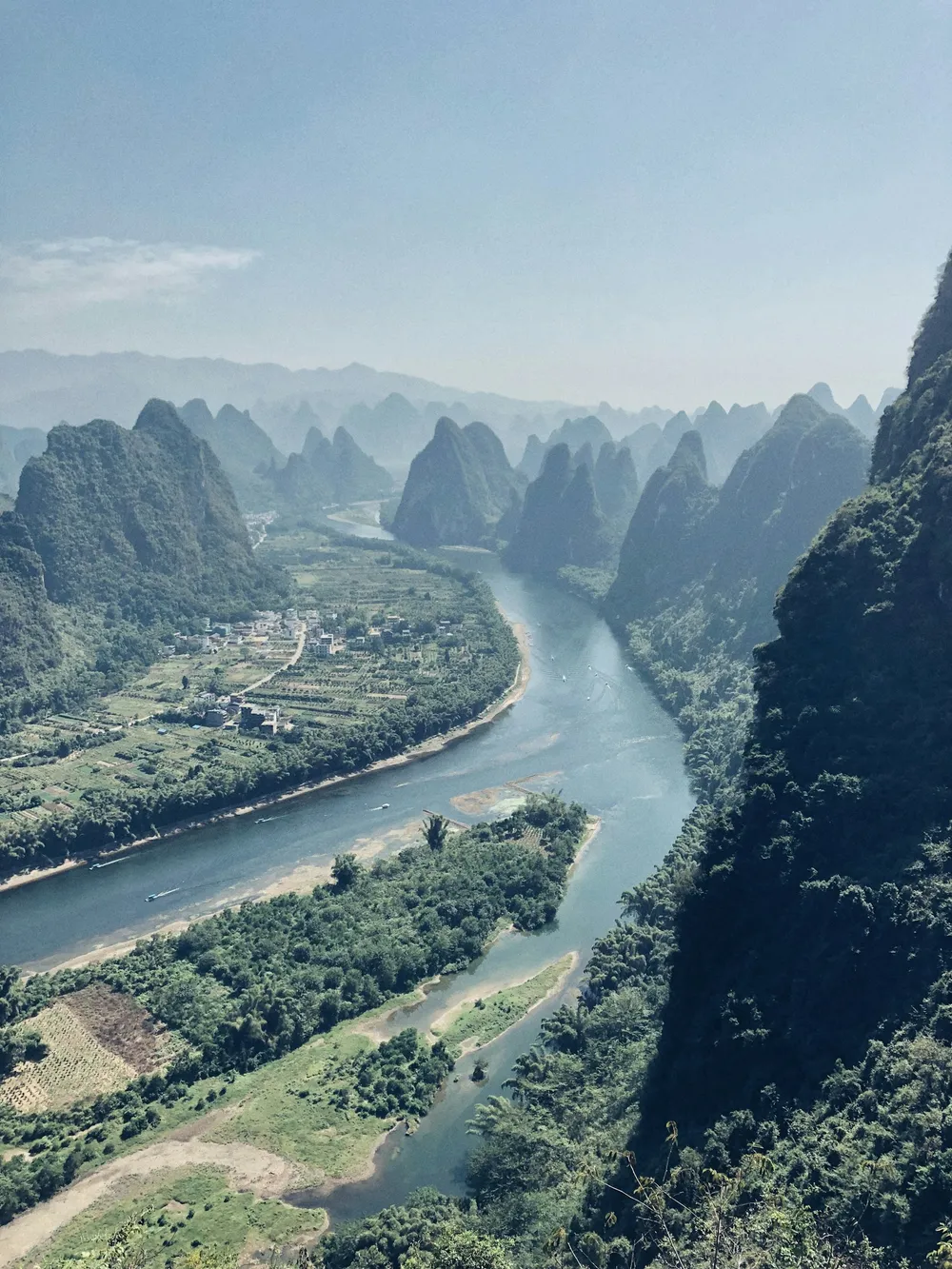
- Guilin and the Li River are greenest after the spring rains, but floods can close river cruises. Autumn is usually more reliable.
- Hainan is the winter escape: warm beaches from November to March.
Southwest: Chengdu, Chongqing, Yunnan, Zhangjiajie
- Chengdu and Chongqing: best in spring and autumn. Summers are hot and sticky, and Chongqing is one of China’s hottest cities.
- Yunnan (Kunming, Dali, Lijiang): mild all year. The rainy season runs roughly from May or June to October, and the dry season from November to April is sunniest.
- Zhangjiajie: the famous mist is most common in spring and early summer. Autumn gives clearer views.
High and far: Tibet, Qinghai, Xinjiang, Inner Mongolia, the far north
- Best: May to October. Summer is the only comfortable season on the plateau and the steppe.
- Harbin in the far northeast is at its best in January for the Ice and Snow Festival, when temperatures can fall below −20°C.
- Tibet has its own entry permit rules for foreigners. Plan it well in advance with a licensed agency.
Holidays and crowds: the dates that matter
The big three
Chinese New Year (Spring Festival). The most important holiday of the year. In 2026 the official break ran from 15 to 23 February, and the railway’s Spring Festival travel rush started on 2 February. For 2027, New Year’s Day falls on 6 February.
What it means for you:
- Trains and flights before and after the holiday are the hardest tickets to get all year.
- Many small restaurants and shops close for several days. Big hotels, chain restaurants and major sights stay open.
- Temple fairs, lanterns and decorations make it festive, especially in the first two weeks.
May Day holiday. 1 to 5 May in 2026. Famous sights, from the Forbidden City to West Lake, are extremely crowded, and prices rise.
National Day (Golden Week). 1 to 7 October in 2026. The busiest sightseeing week of the year. Travel just after it for the same perfect weather with far fewer people.
Smaller holidays
These are shorter breaks. Expect busier trains and sights around them, but not the same crush:
| Holiday | 2026 dates |
|---|---|
| New Year’s Day | 1–3 January |
| Qingming Festival | 4–6 April |
| Dragon Boat Festival | 19–21 June |
| Mid-Autumn Festival | 25–27 September |
Weekends and school holidays also matter. Chinese summer holidays run roughly from July to August, and winter holidays around New Year. Popular sights are much quieter on weekday mornings.
Make-up working days
China often turns a weekend day into a working day to create a longer holiday. For example, Sunday 20 September and Saturday 10 October 2026 are official working days. Offices, banks and visa offices open on those days as normal.
Best time for popular trips
| Trip or place | Best time |
|---|---|
| First trip: Beijing, Xi’an, Shanghai | April–May, mid-September to October |
| Great Wall hiking | April–May, September–October; winter for snow and no crowds |
| Guilin and Yangshuo | April–May for green scenery; September–November for reliable weather |
| Chengdu pandas | Any time; go early in the morning, especially in summer |
| Zhangjiajie | April–May, September–October |
| Yunnan | November–April (dry season) |
| Tibet | May–October |
| Harbin Ice and Snow Festival | January |
| Hainan beaches | November–March |
| Autumn colors | Late October to November |
China and Japan in one trip
Both countries share the same best seasons: spring and autumn. Japan’s cherry blossoms peak from late March to early April, and China’s spring runs from March to May, so late March to April works well for both. For autumn colors, go from late October to November. Check Japanese holidays too: Golden Week there runs from late April to early May.
Book earlier for peak times
- Trains: tickets go on sale 15 days ahead. Book the moment your date opens for holidays. See how to book China train tickets.
- Big sights: many need real-name booking with your passport. The Forbidden City releases each date seven days before. See Forbidden City tickets.
- Hotels: prices rise sharply around the national holidays. Book early and choose free cancellation.
- Flights: airfares for travel around Chinese New Year and October can double.
Weather tips for any season
- Pack layers. A trip from Beijing to Guangzhou can cover a 20°C difference. See what to wear in China, month by month.
- Bring an umbrella from April to September, and waterproof shoes for the rainy south.
- Summer: drink water, start sightseeing early and plan indoor museums for the afternoon heat.
- Winter: northern buildings are well heated inside, but Shanghai and the south have little indoor heating. Bring warm layers for hotel rooms and restaurants.
- Air quality is usually best on clear, windy days, and worst on some still winter days in the north. Check an air quality app if you are sensitive.
Plan your trip around the right dates
Once you know when to go, check how you can enter China: many nationalities can now visit for 30 days without a visa. See which countries can visit China visa-free, then read First time in China for the setup you need before you fly.
Your personal travel concierge can suggest the best route and pace for your travel dates, and help you move the busy sights away from holiday crowds.
- The State Council (gov.cn): Notice on the 2026 public holiday arrangements
- China Railway 12306: English FAQ (Spring Festival travel rush dates)
Editorial update: . Check the linked source for current provider terms or official rules.